
Note: This article is a general information, lifestyle feature and personal opinion. It is not professional or medical advice.
Living with pets is one of the best parts of home life, but it does change how a home needs to be cleaned. Fur settles faster, smells build up more easily, and tiny allergen particles can collect in places that look perfectly clean at first glance. Pet homes do not just need more cleaning. They usually need smarter cleaning.
One important thing to know is that pet allergies are not mainly caused by fur itself. The bigger issue is proteins found in pet dander, saliva, and urine. Fur can carry those allergens, along with dust, pollen, and other particles, which is why pet-related irritation often lingers on beds, sofas, curtains, rugs, and clothing.
Why pet homes get dirty faster

The source is the buildup hiding in absorbent surfaces.
Pets naturally shed hair and skin flakes. They also track in dirt from outside, spread saliva on surfaces and toys, and leave behind odors on soft materials. Over time, these particles settle into fabric and carpet, where they can stay trapped and then get stirred back into the air when people sit, walk, vacuum, or even fluff pillows.
That is why a room can smell “pet-free” right after a quick tidy-up, then start smelling musty again a few hours later. The source is often not the visible fur on the floor. It is the buildup hiding in upholstery, bedding, rugs, corners, and other absorbent surfaces. Carpets and rugs, in particular, are known to trap pollutants and allergens like pet dander, dirt, dust, and even mold spores.
Where fur, odor, and allergens usually hide
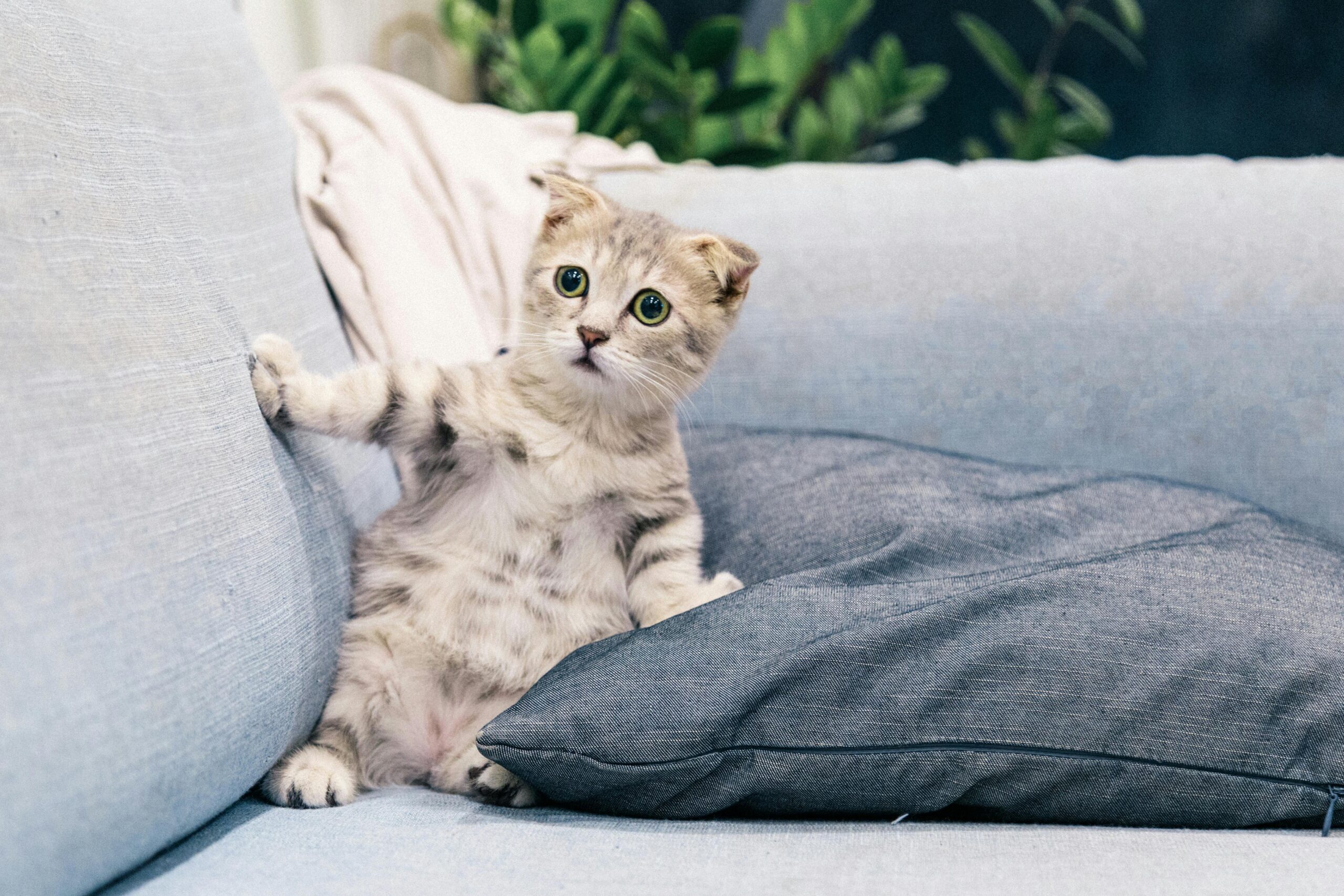
Unfortunately, these buildups hide in our favorite soft places…
In most homes with pets, the biggest trouble spots are the soft surfaces. Beds, pillowcases, mattresses, sofas, throws, curtains, pet beds, and rugs tend to hold on to fur and odor far longer than tile, wood, or other hard surfaces. Even cloth furniture can hold higher levels of dog and cat dander than some bed linens
Bedrooms matter even more because people spend many hours there every night. Health organizations that give guidance on asthma and allergy control often recommend keeping pets out of bedrooms (we know… this is just not possible most times because one look with those cute eyes and we yield), washing bedding weekly, and using allergen-proof covers for pillows and mattresses when allergies or asthma are an issue.
How to keep pet fur, odor, and allergens under control

As a pet owner, cleaning has to be done properly and regularly.
1. Vacuum the right way, not just often
Regular vacuuming helps reduce indoor dust and allergens, especially on carpets, rugs, and upholstered furniture. If you have, HEPA-filter vacuums are a better option for households dealing with allergies, because they can help keep some captured particles from going back into the air.
For pet owners, “right way” matters as much as frequency. Quick passes over the middle of the room will not do much for corners, under furniture, fabric seams, mattress edges, and the spots where pets usually nap. Those are the areas where fur, dander, and dust often collect the most.
2. Use damp dusting instead of dry dusting
When you dust with a dry cloth, fine particles can go back into the air. EPA and AAFA both recommend damp dusting because it helps pick up settled dust and allergens instead of just moving them around.
This is especially useful for shelves, baseboards, side tables, window ledges, cabinets, and other areas where pet dander quietly settles. In pet homes, these surfaces may look clean but still hold a layer of microscopic particles.
3. Wash bedding, throws, and pet fabrics regularly
If you share furniture or sleeping space with pets, washable fabrics matter a lot. Best practice is washing bedding at least weekly. Covers or blankets on fabric furniture should also be washed regularly in hot water when allergy control is the goal.
That means it is not just your sheets that matter. Blankets on sofas, removable cushion covers, pet bedding, and washable rugs can all hold fur, odor, and dander. Cleaning them on a schedule can make the whole house feel fresher.
4. Pay attention to carpet, upholstery, and mattresses
Hard floors are usually easier to keep low-allergen than wall-to-wall carpet. Carpets and rugs can trap pet dander and other pollutants.
Mattresses and upholstered furniture also deserve extra attention because pet allergens stick to fabric and can build up over time. This matters even more in homes where pets are allowed on the bed or sofa.
5, Control odor at the source, not with fragrance
A common mistake is trying to cover pet odor with air fresheners, candles, or strongly scented cleaners. That may mask the smell for a while, but it does not remove the source. It can also irritate people with asthma or sensitive airways, since strong scents and compounds from some cleaning products can worsen respiratory symptoms.
A better approach is to remove the buildup itself through regular laundering, vacuuming, wiping, and deep cleaning of fabrics and high-contact areas. When cleaning, gentler unscented products and better ventilation are often recommended for households managing allergies or asthma.
6. Improve airflow, but know its limits
Ventilation helps when you are cleaning because it can reduce exposure to particles that get stirred up and to fumes from cleaning products. Try increasing ventilation during and after cleaning when possible.
Air cleaners and HVAC filters may also help reduce indoor air pollution, but they are not a complete fix. EPA notes that air cleaners can reduce some pollutants, not remove all of them. In other words, cleaner air works best alongside actual cleaning, not instead of it.
7. Keep bedrooms and resting zones cleaner than the rest
If someone in the home has allergies or asthma, bedroom control matters a lot. Aside from keeping pets out of bedrooms, washing bedding weekly, and using allergen-resistant covers, relative humidity control can also help with broader indoor allergen management, especially for dust mites and mold, which can make symptoms worse alongside pet allergens.
Even in homes without diagnosed allergies, this is a practical rule. The cleaner the sleeping area, the easier it is to keep fur, odor, and buildup from spreading across the rest of the house. That final sentence is practical advice based on the same environmental control principles.
When a professional home cleaner makes sense

For many pet owners, routine upkeep is manageable until the buildup becomes too deep for regular home cleaning to fully handle.
For many pet owners, routine upkeep is manageable until the buildup becomes too deep for regular home cleaning to fully handle. That usually happens when fur is embedded in fabric, odors keep coming back, or the house still feels dusty even after sweeping and vacuuming. Since pet allergens and particles settle deep into carpets, upholstery, bedding, and other soft surfaces, there comes a point where a more thorough whole-home clean is the more practical option.
A professional home cleaner can be especially helpful for pet households with shedding seasons, multiple pets, indoor animals that spend time on beds and sofas, or family members with asthma and allergies. The goal is not to make a pet home look perfect. It is to make it cleaner, fresher, and easier to live in every day.
a professional home cleaner can also make a real difference because they often use deeper-cleaning equipment that goes beyond ordinary household tools. This may include heavy-duty vacuums, wet or water-extraction vacuums for upholstered surfaces, and equipment for mattresses, sofas, and other areas where fur, dust, and odor tend to build up. Some providers may also offer UV sanitation or similar treatments as part of a more thorough cleaning approach, depending on the service requested.
If someone at home has severe allergy or asthma symptoms, it is also wise to speak with a doctor or allergist, since home cleaning helps reduce exposure but does not replace medical care.

May your home stay fresh, your fabrics stay fur-free, and your pets stay happy and loved.
Disclaimer: The information in this blog post is provided for general educational and household maintenance purposes only. It is not intended to replace professional medical advice, diagnosis, or treatment.
If you or any member of your household is experiencing severe allergies, asthma flare-ups, skin irritation, breathing difficulties, or other unusual symptoms, please consult a qualified physician, allergist, or other appropriate healthcare professional. This article cannot determine the exact cause of any health-related condition or reaction.
Every home, pet, and cleaning situation is different. While regular and deep cleaning may help reduce fur, odor, dust, and common indoor allergens, results may vary depending on the home environment, the number of pets, the surfaces involved, and the source of the buildup. In some cases, persistent odor, contamination, or suspected pest issues may require separate assessment or treatment by the proper specialists.
Any cleaning methods, product suggestions, or maintenance tips mentioned in this article should be done with reasonable care and according to the manufacturer’s instructions for your furniture, appliances, fabrics, and other household surfaces. We are not responsible for damage to property or injury resulting from improper cleaning methods, misuse of equipment, or the use of unsuitable products.
Professional cleaning services may assist in improving overall cleanliness and reducing surface-level buildup, but they do not guarantee the elimination of all allergens, odors, stains, microbes, or health triggers in every setting.